

Activist Burnout: The Place From Which We Act

What activist burnout taught me about rest, the inner life and asking what is actually mine to do.
In my early life I worked in campaigning and advocacy around international development. It was great work. I felt like we made a difference. It connected me with real people from around the world, and it was meaningful to work alongside others towards a more just and sustainable world.
It didn’t take long, though, before I experienced ill health and activist burnout. I’d been overworking and couldn’t switch off. Looking back, I think my nervous system was unbalanced, not that I knew what that was at the time.
I spent many years trying to fix myself and understand what had happened. I found contemplative practices, prayer and meditation really helpful. They created space to rest and listen, and to pay attention to myself and the world around me. Through them I began to discover a healthier approach to life, moving away from constant doing and more towards being.
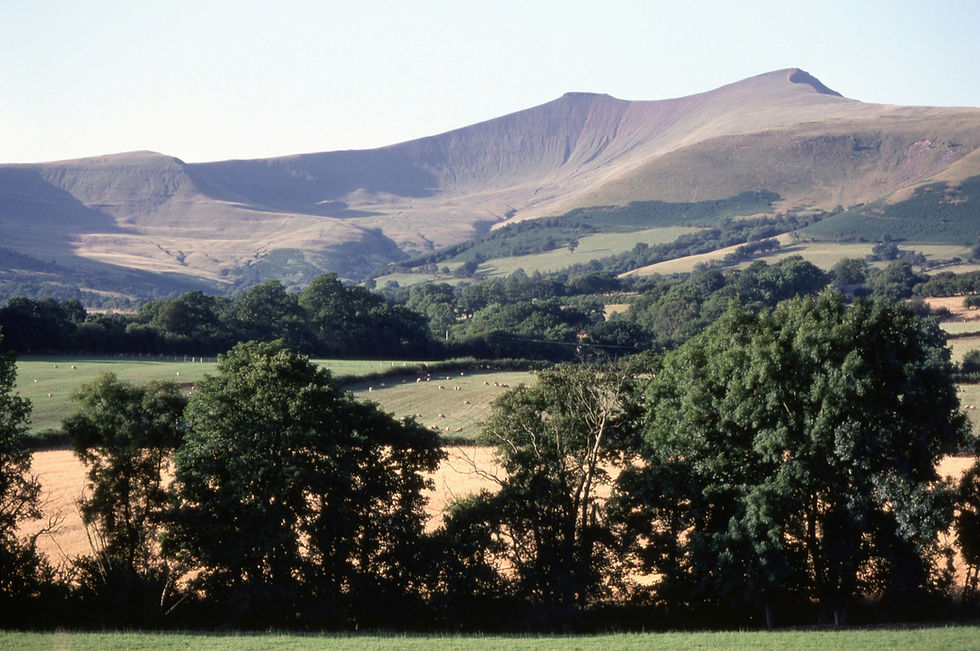
I was also drawn back to nature and to nurturing a sense of awe and wonder. I now live on a smallholding on the edge of the Black Mountains, and the changing seasons and rhythms of the land help remind me that I am part of the natural world, not separate from it. Breathwork brought a more embodied dimension, while spiritual accompaniment gave me space for deeper conversation, the experience of being seen, and the confidence to sit with questions.
Together these experiences have helped me pay attention to what is happening within and around me. They have made me more aware of my nervous system, and better able to notice when I am activated or need rest. I have a greater capacity to settle and regulate myself.
For a recovering activist, this has been important. So much of my response to the world’s problems used to happen through my head: reading, thinking, organising, deciding, acting. Coming back to the body, the breath and the present moment through meditation, breathwork and spiritual accompaniment has helped me see things differently.
It offers space to slow down, pay attention and become curious about what is happening beneath the surface of life. For someone involved in activism, that might mean noticing questions that get lost in the urgency of action:
What am I carrying?
What is actually mine to carry?
What am I responsible for – and what am I not responsible for?
For me, this has meant learning that it is not all dependent on me, and it is not all my responsibility. There is something freeing about being able to give some of that burden over to God, to a higher power, or to the mystery at the heart of life, and then ask: what is actually mine to do?
Not everything. Something.
—
If this is the kind of conversation you’re looking for, you can explore our spiritual directors here. Matt also leads group breathwork sessions.


Comments